 Object Storage
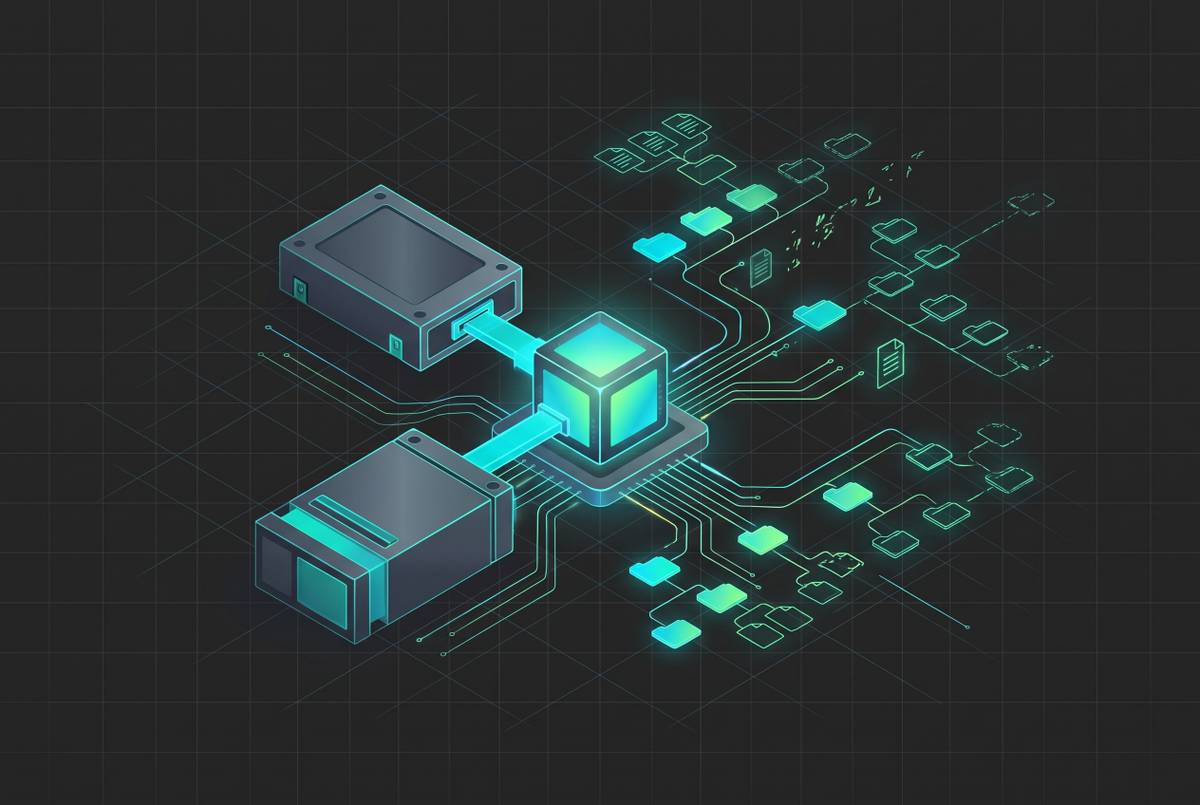
Copy-on-Write Disk Snapshots as the Missing Persistence Layer in Sandboxed Coding Agents
Disk snapshots let agent sandboxes keep their work, but not their processes.
Storage Letter Editors·
 Object Storage
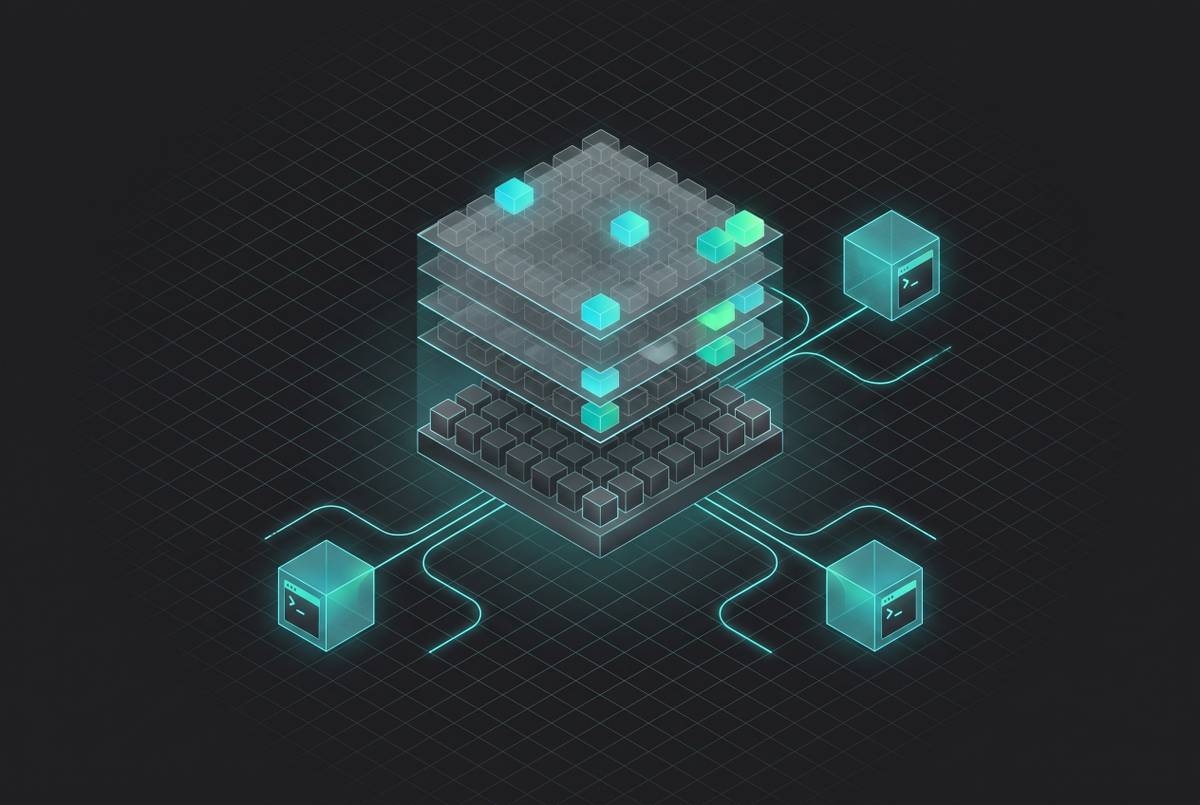
Why Persistent Cloud Filesystems Outperform Bolt-On Object Storage for Agent Shell Layers
Agents need real rename, fsync, and directories, and object storage fakes them.
Storage Letter Editors·
 Object Storage
Persistent Isolated Workspaces for AI Agents Without Per-Customer Infrastructure Overhead
MicroVMs, forkable disks, and shared compute give each tenant a private workspace.
Storage Letter Editors·
 Object Storage
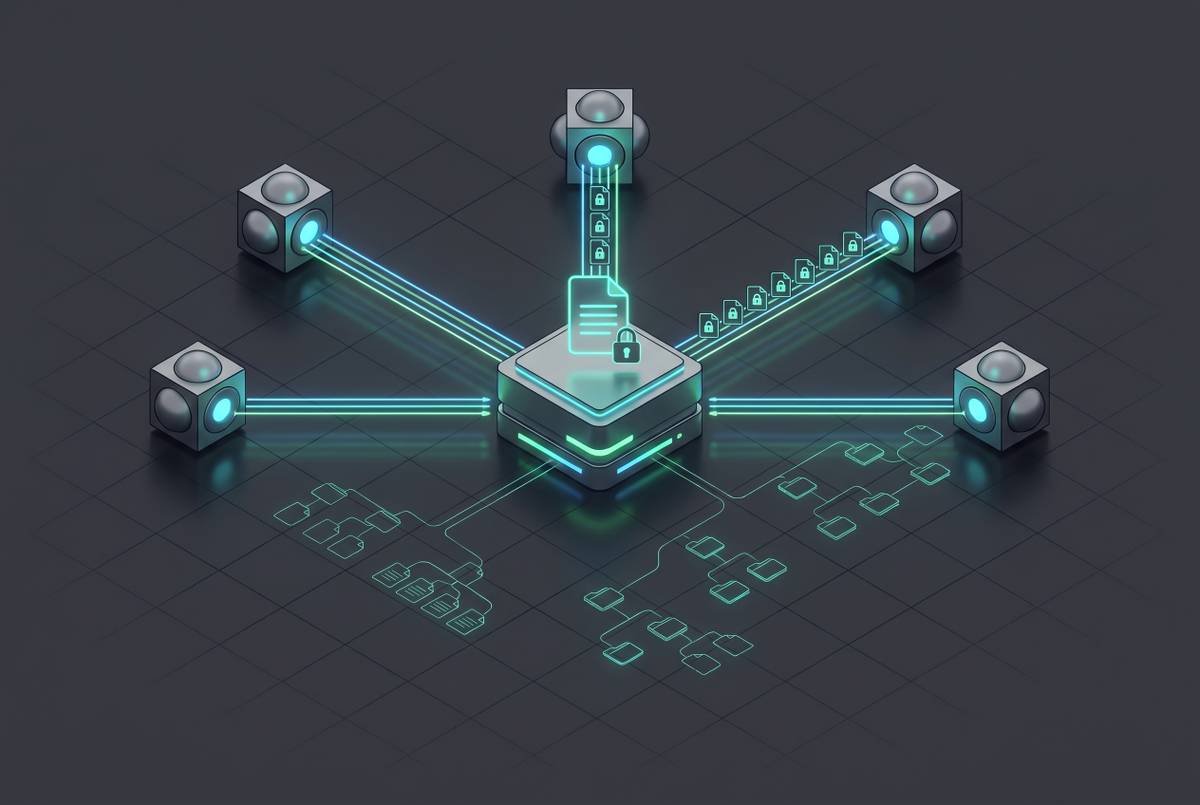
POSIX Concurrency Guarantees as the Deciding Factor When Choosing AI Agent Storage
Agent storage fails under parallel writes unless rename, fsync, and locks truly hold.
Storage Letter Editors·
 Object Storage
Volume Reattachment Economics and Why Stateless Agent Storage Costs You More Than Persistence
Persistent storage can cost less than rebuilding every session.
Storage Letter Editors·
 Object Storage
POSIX Fluency in Pretrained Models as a Storage Architecture Signal
Models know POSIX, but agents need storage that keeps its promises.
Storage Letter Editors·
 Object Storage
One Disk per Tenant as the Multi-Tenant Storage Primitive That Kills Bucket Sprawl
Per-tenant disks make storage enforce tenant isolation.
Storage Letter Editors·
 Object Storage
Why Shell Commands in the Cloud Lose Files and What the Storage Layer Must Guarantee Instead
Agent sandboxes need fsync durability, restart persistence, and POSIX semantics.
Storage Letter Editors·
 Object Storage
Per-Tenant Disk Provisioning Without a Storage Fleet
Separate disk lifecycle from compute to give every tenant a persistent, isolated workspace.
Storage Letter Editors·
 Object Storage
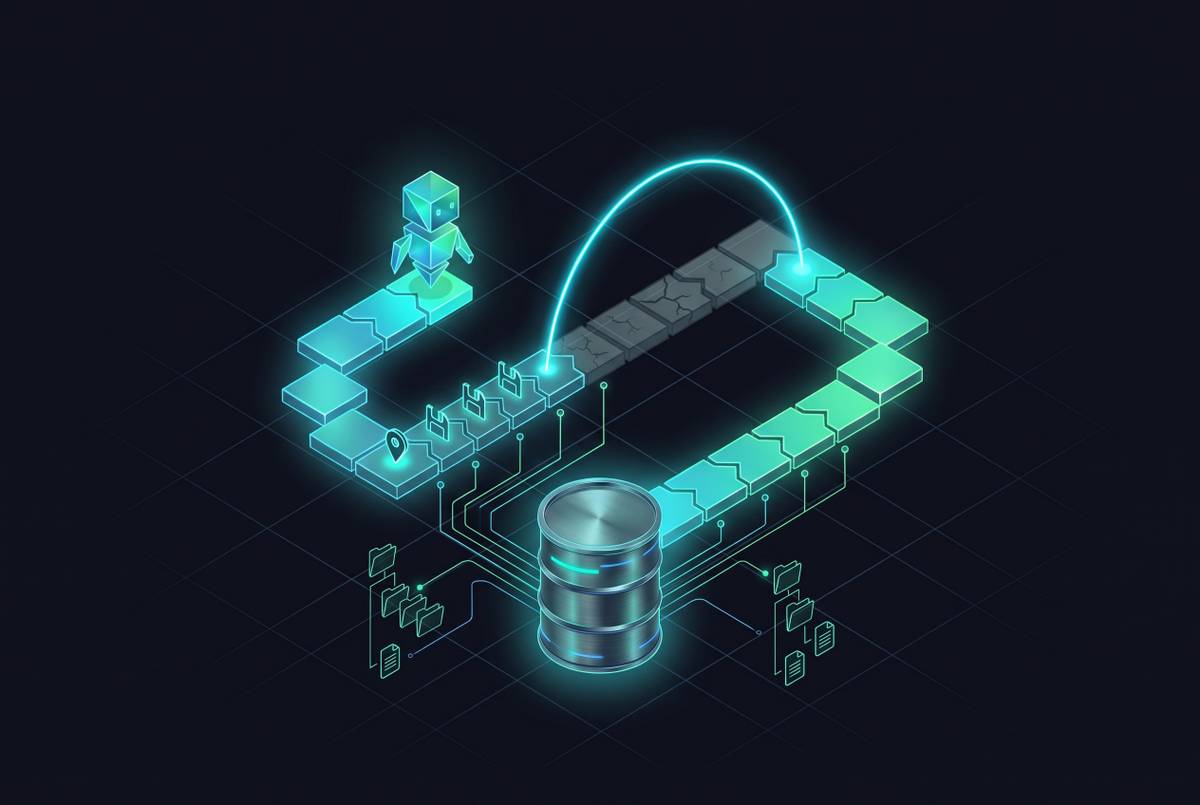
How Storage Architecture Determines Whether an AI Agent Can Resume Where It Left Off
Durable disks, isolation, and forking decide what an agent keeps.
Storage Letter Editors·
 Object Storage
Why Storage Boundaries Outperform Application-Layer Tenant Separation for AI Agents
Separate storage and compute per tenant beat filters in agent code.
Storage Letter Editors·
 Object Storage
Block Storage Semantics Inside Agent Sandboxes Versus Object Storage Workarounds
Block storage inside sandboxes lets agents use real filesystems instead of workarounds.
Storage Letter Editors·
 Object Storage
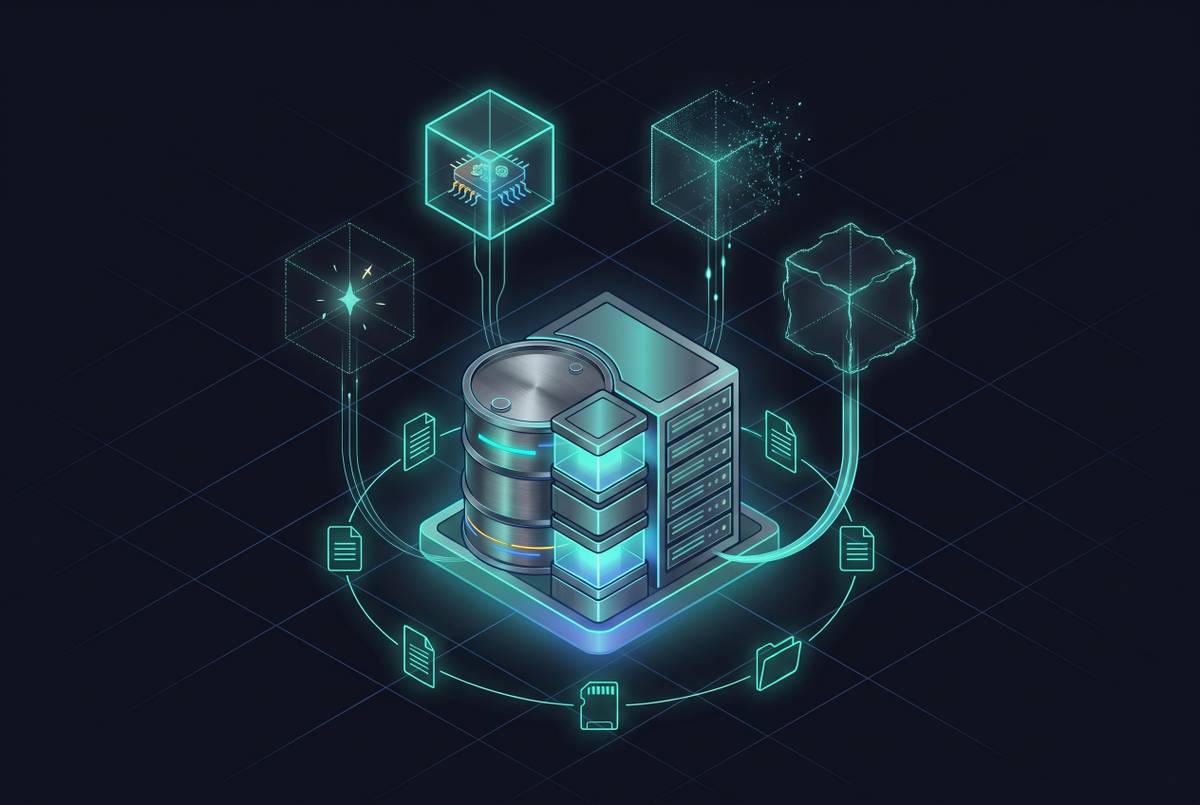
Stateless Agent Runtimes Need Stateful Storage Infrastructure
Persistent storage outside the runtime preserves agent state across restarts and tenant boundaries.
Storage Letter Editors·
 Object Storage
Why Agent Session State Belongs on a Forked Disk Not a Reconstructed Object Store Prefix
Persistent disks with installed environments beat object-store prefixes for agent session recovery.
Storage Letter Editors·
 Object Storage
Persistent Workspace Continuity Without Provisioned Volumes or Sticky Infrastructure
AI agents need durable, forkable disk state that outlasts compute.
Storage Letter Editors·
 Object Storage
Why Cloud Object Storage Beats Provisioned NFS for Multi-Agent Shared Workspaces
Object storage with a file system layer gives isolated workspaces and parallel safety NFS cannot.
Storage Letter Editors·
 Object Storage
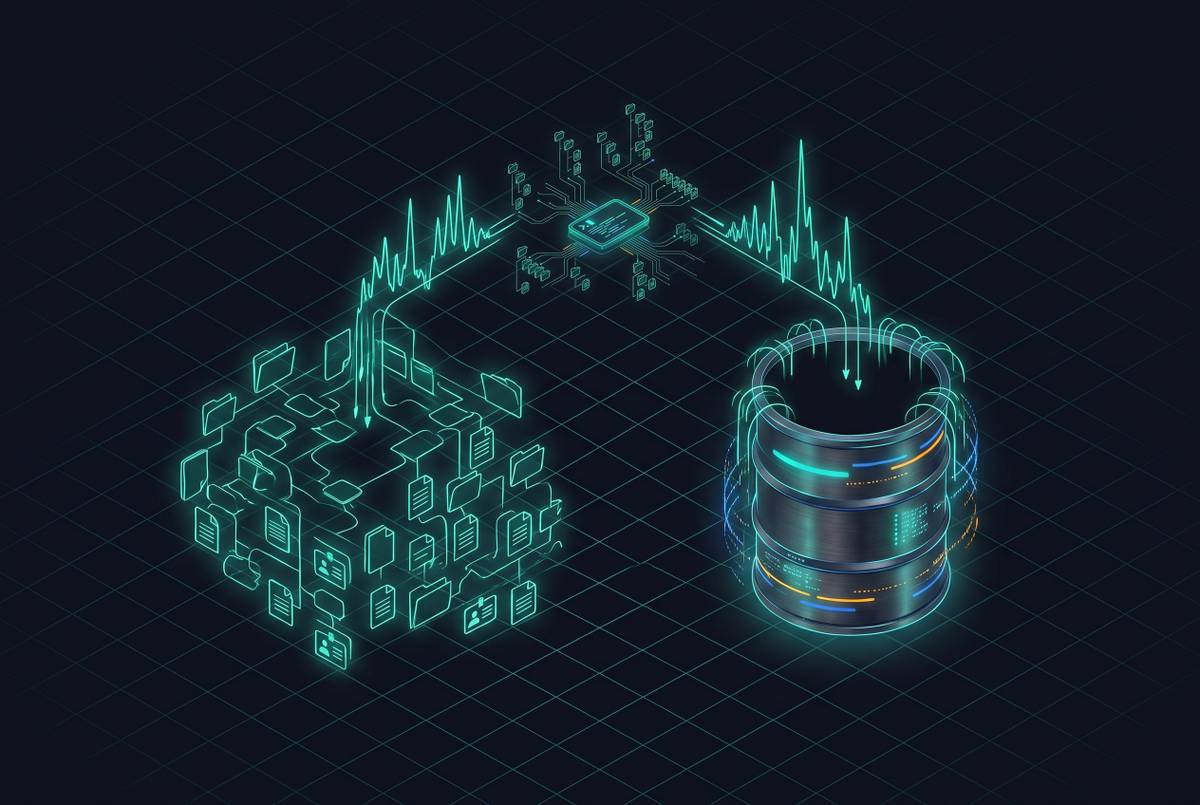
Cache-Billed Cloud Filesystems vs Provisioned Capacity for Unpredictable AI Agent Workloads
Cache-billed storage better matches AI agents' unpredictable, bursty access patterns.
Storage Letter Editors·
 Object Storage
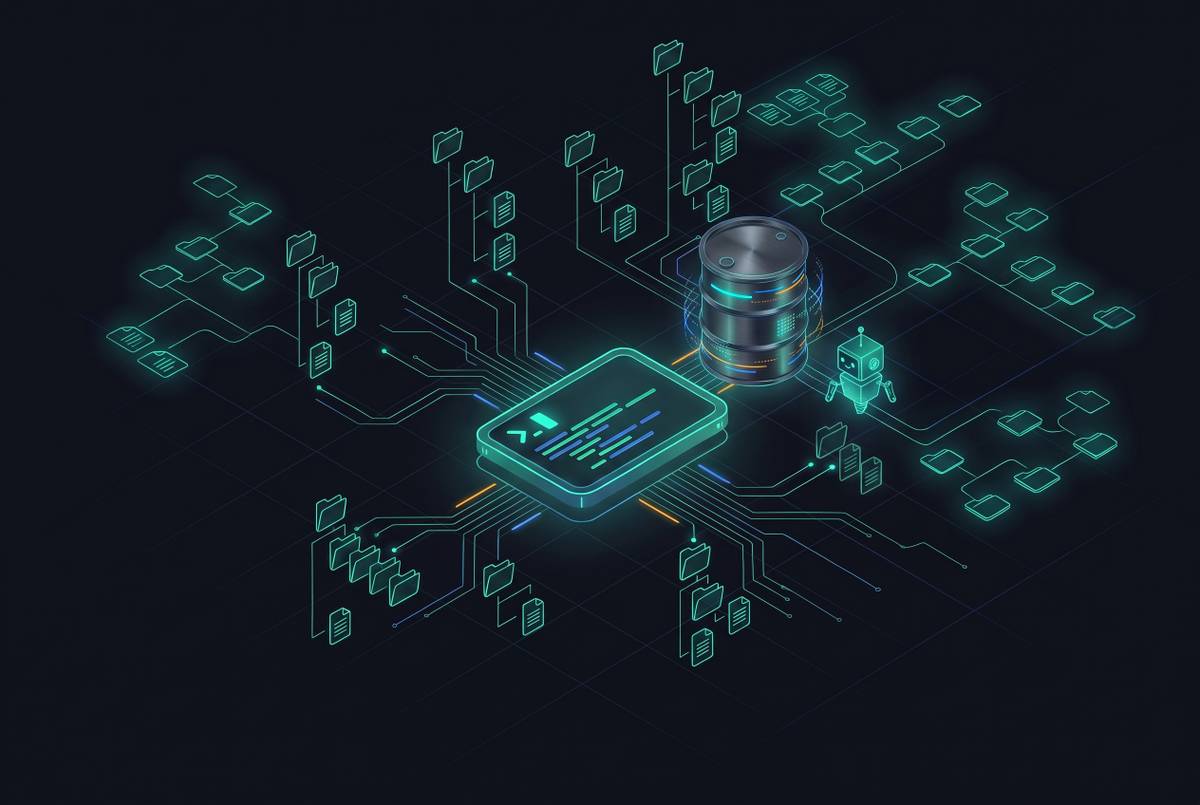
Mounting Cloud Object Storage as a Bash Working Directory for Stateful AI Agents
AI agents need file interfaces, so mounting cloud storage as a working directory bridges the gap.
Storage Letter Editors·
 Object Storage
Why Provisioned Filesystem Capacity Is the Wrong Unit for Unpredictable Agent Working Sets
Elastic billing for active data beats fixed capacity guesses for unpredictable agent workloads.
Storage Letter Editors·
 Object Storage
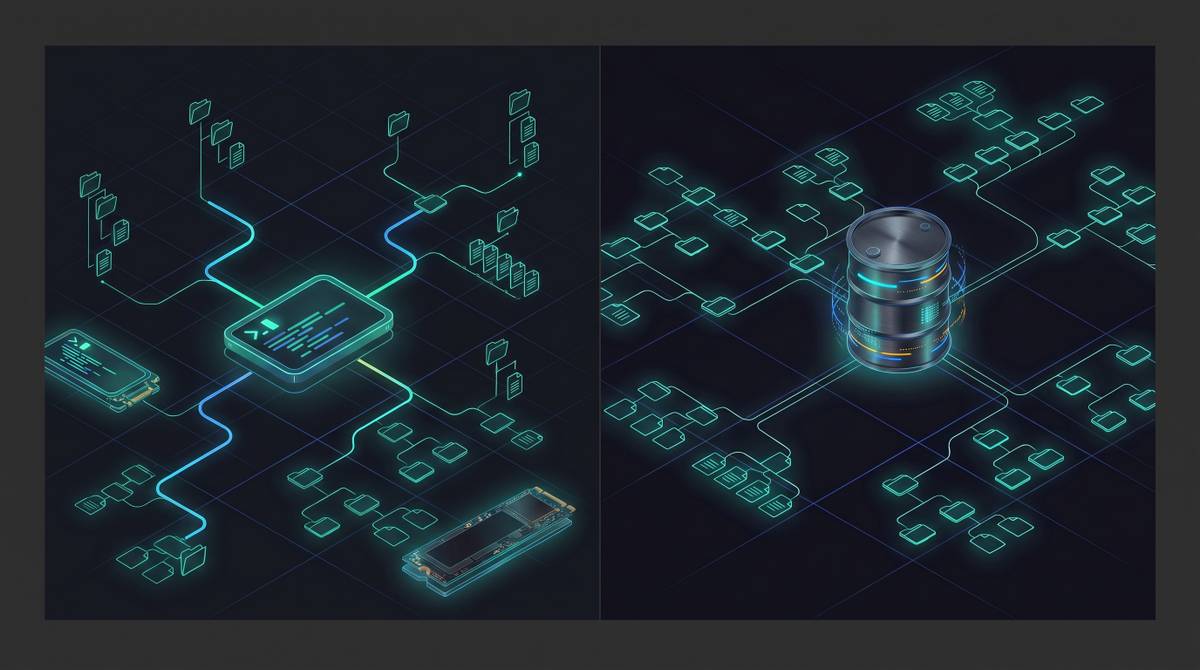
Iterative Context Discovery vs Prompt Front-Loading
Iterative retrieval beats front-loading on cost, quality, and reasoning.
Storage Letter Editors·
 Object Storage
Elastic Storage Billing for Agent Workloads
Agents churn data through storage layers in ways provisioned billing was never designed to handle.
Storage Letter Editors·
 Object Storage
Unstructured Data Access Patterns for AI
AI workloads shatter storage system assumptions built for sequential, bounded reads.
Storage Letter Editors·
 Object Storage
Bash as a Universal Agent Tool Interface
Models already speak bash fluently, making it the most efficient universal interface for AI agents.
Storage Letter Editors·
 Object Storage
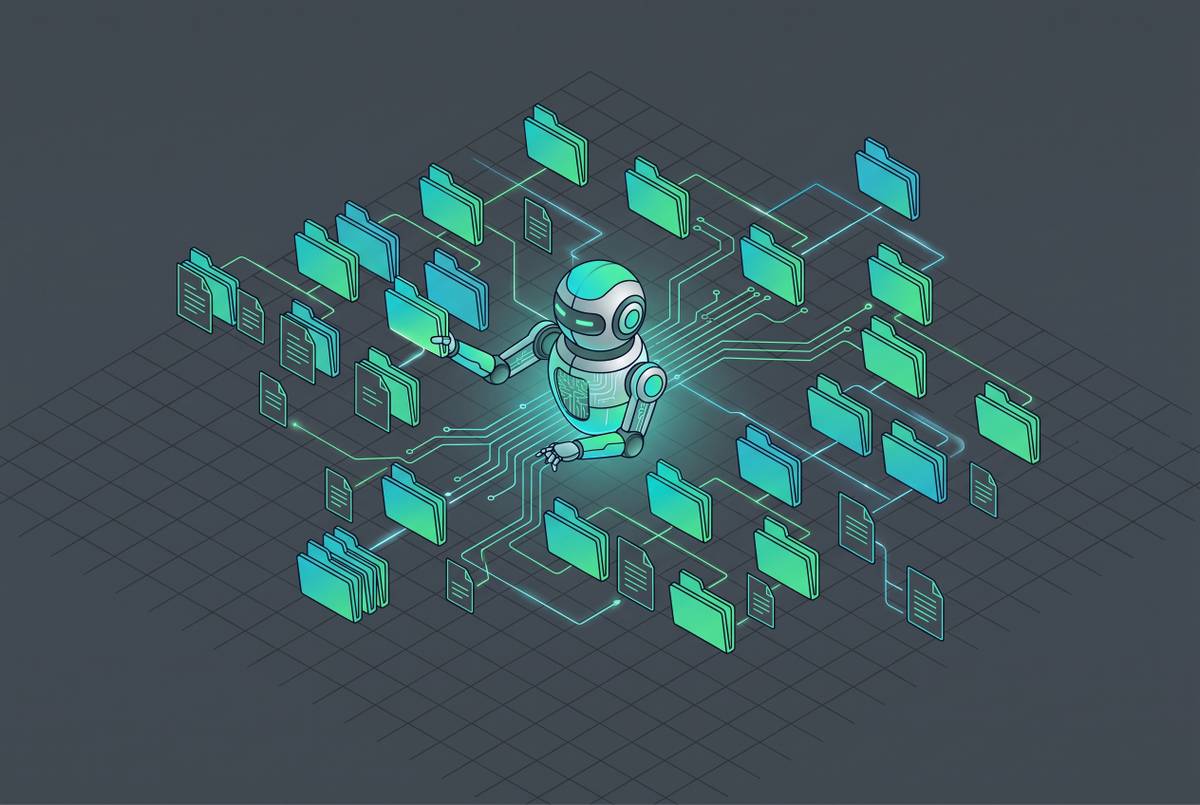
POSIX Filesystem Semantics for AI Agents
File systems let AI agents reason clearly with the primitives they were trained on.
Storage Letter Editors·
 Object Storage
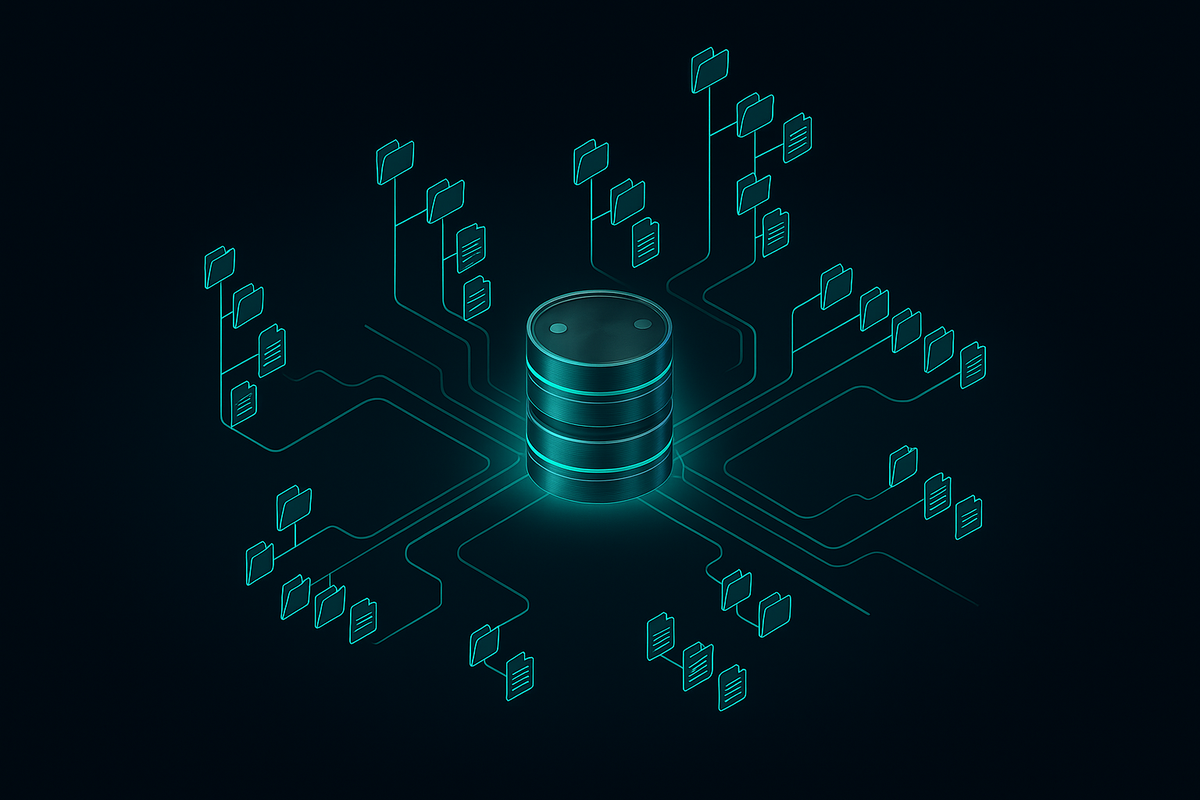
Shared Filesystem Access for Parallel Agent Runs
POSIX filesystem guarantees keep parallel agents from silently overwriting each other's work.
Storage Letter Editors·
 Object Storage
Eliminating Data Download Steps Before GPU Training
Streaming data directly to GPUs eliminates costly pre-training download delays.
Storage Letter Editors·
 Object Storage
S3 as an AI Training Data Store
S3 dominates AI training through architecture, not accident.
Storage Letter Editors·
 Object Storage
Object storage platforms purpose-built for AI agent sandboxing
Sandboxes isolate agents, but purpose-built storage layers coordinate multi-agent workflows.
Storage Letter Editors·
 Object Storage
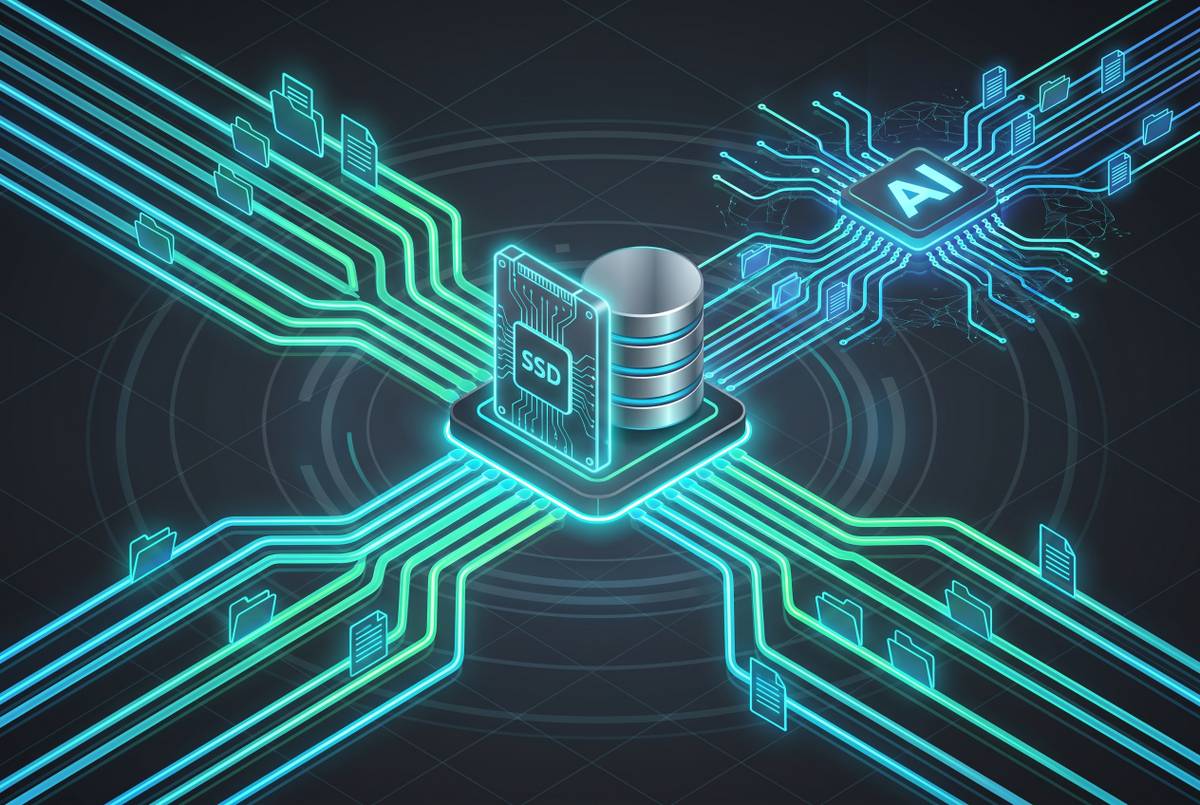
High-performance object storage providers for AI data pipelines
Storage performance, not GPU power, is now the critical bottleneck starving AI training pipelines.
Storage Letter Editors·
 Object Storage
Persistent Agent Workspaces Across Sessions
Agents that remember across sessions get the work done—humans don't have to re-brief every morning.
Storage Letter Editors·
 Object Storage
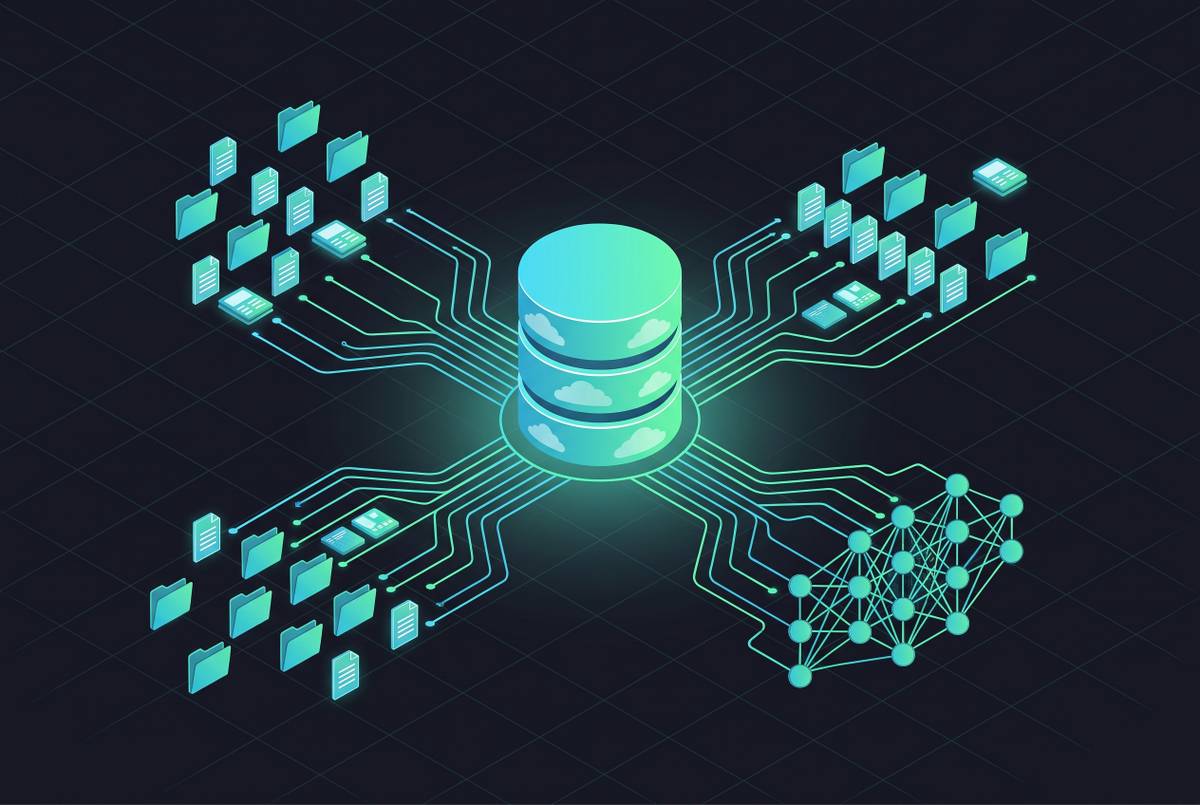
S3 Data Lake Architecture for AI Feature Pipelines
GPU-native processing and fast lakehouse engines are reshaping how S3 stores and serves AI features.
Storage Letter Editors·
 Object Storage
 Solutions for ML Pipeline Data
Object storage wins ML pipelines because parallel access keeps GPUs fed.
Storage Letter Editors·
 Object Storage
AI Agent vs AI Assistant Architectural Differences
Agents act autonomously across multiple steps while assistants respond to each prompt separately.
Storage Letter Editors·