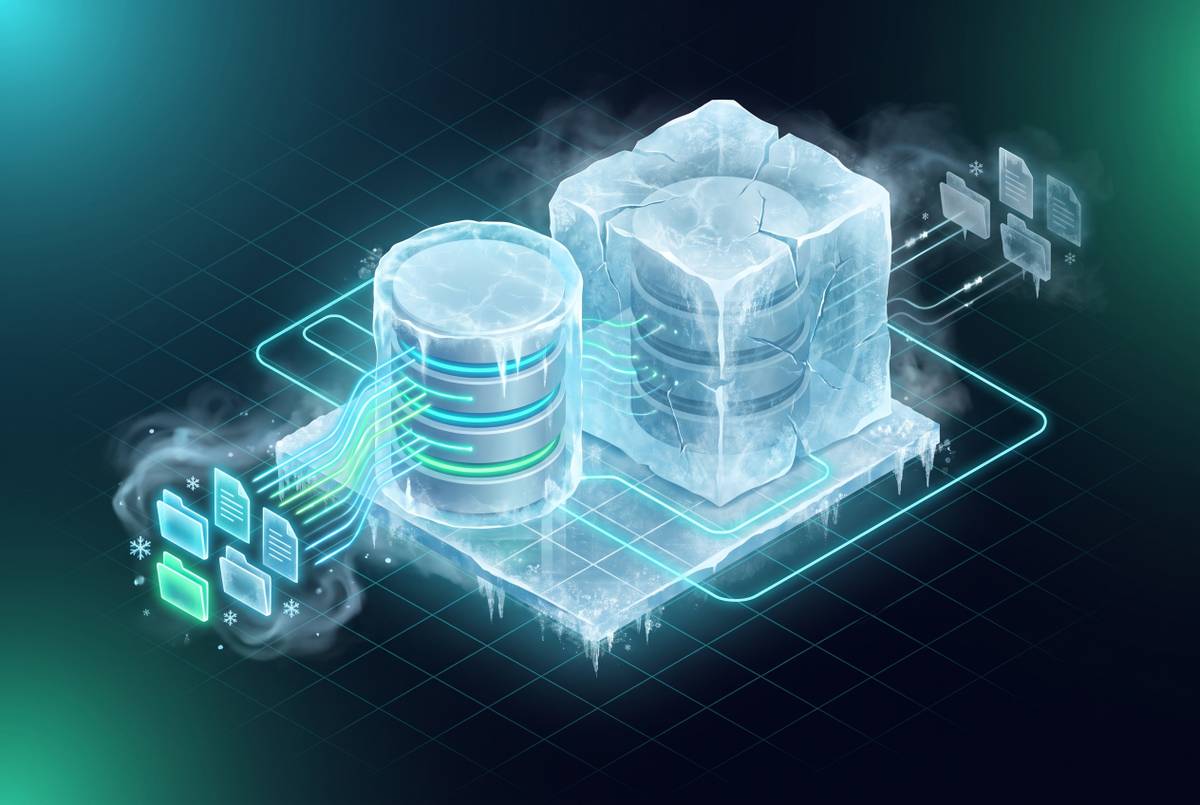
S3 Multipart Upload Throughput Tuning
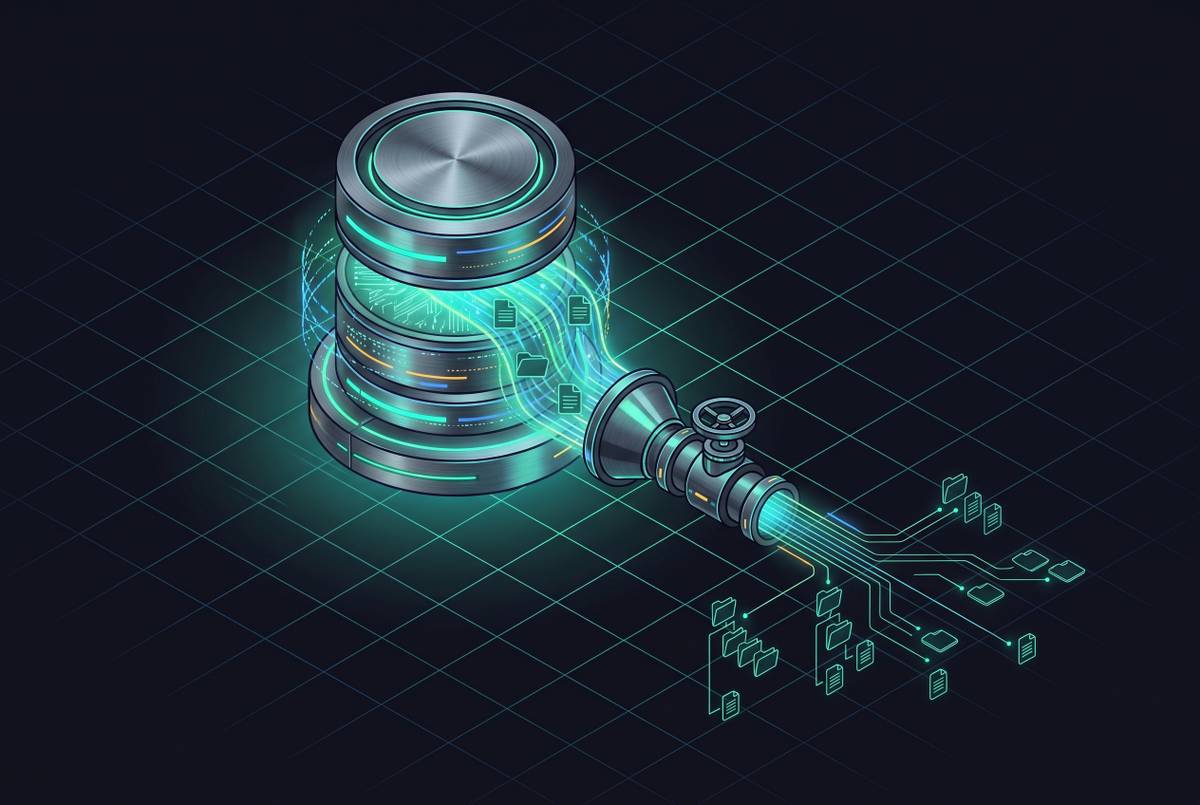
Configure part size, concurrency, and queue depth together to maximize S3 upload speed.
Storage Letter Editors
Section
22 stories in S3 Performance.
Configure part size, concurrency, and queue depth together to maximize S3 upload speed.
Transition charges and hidden fees can overwhelm the savings lifecycle policies promise.
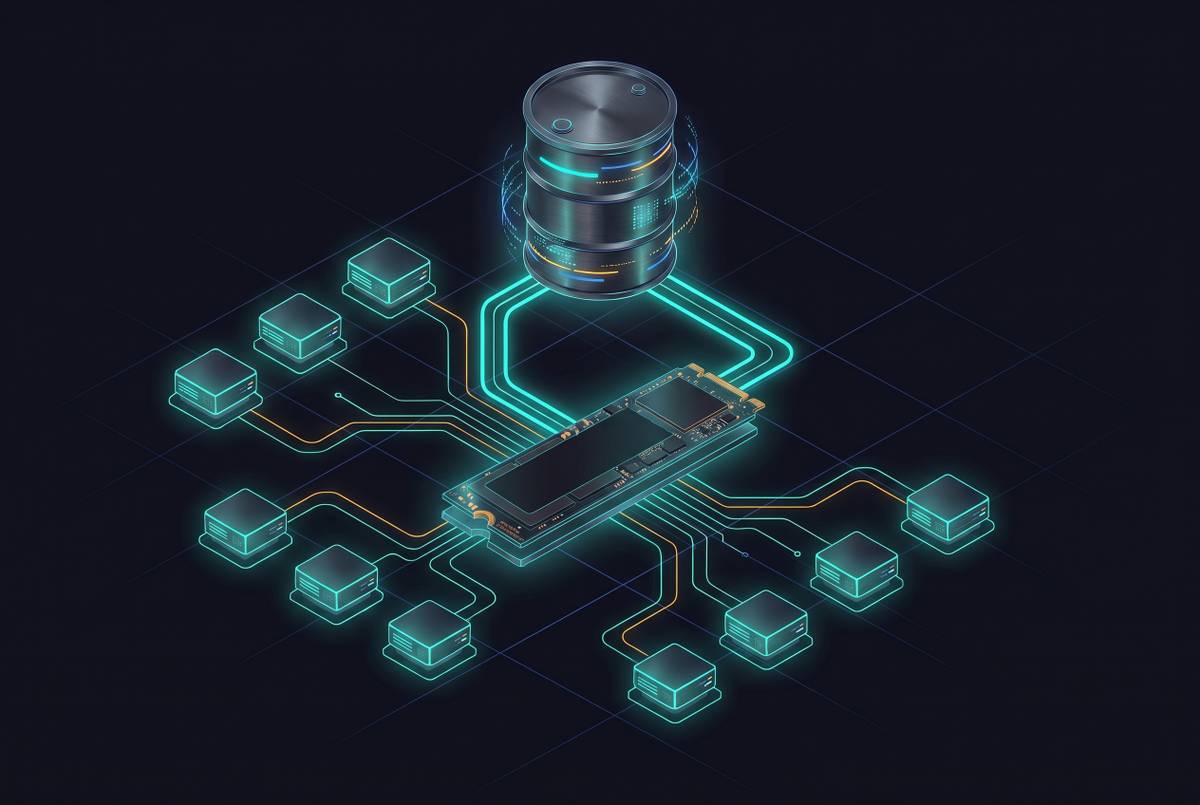
NVMe caching hides S3's latency without giving up its durability.
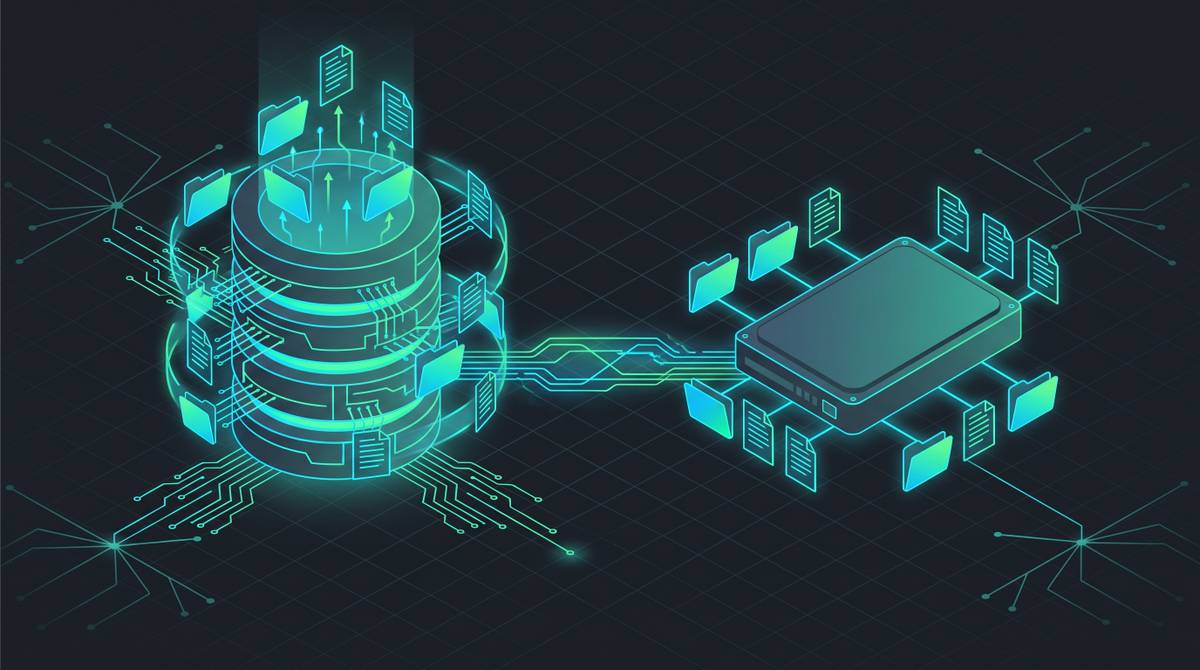
EBS offers lower latency; EFS trades speed for shared multi-instance access.
Each stage of the S3 cold-start chain needs its own fix.
Cold starts are really three separate S3 bottlenecks, and each needs its own fix.
EBS suits single-node workloads while EFS enables multi-node ML training with shared state.
Five separate meters drive S3 egress, and the cheapest fixes come first.
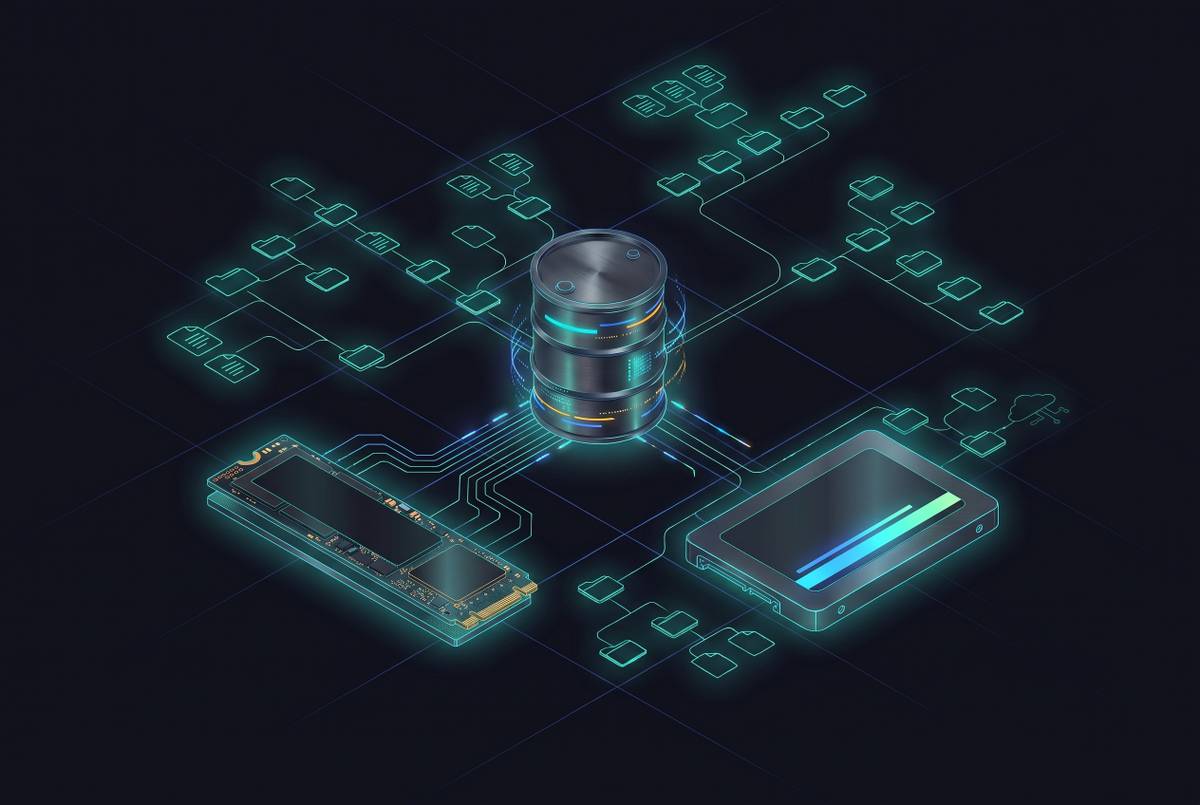
NVMe caches deliver 10x faster IOPS and lower latency than SATA for S3 workloads that need it.
Shared NVMe caches between S3 and GPUs slash I/O latency by orders of magnitude.
Understand which storage class cuts costs based on object size and access patterns, not assumptions.
S3 needs sharding and sequential reads; EFS hits per-client throughput limits at scale.
Flexible Retrieval restores in minutes, Deep Archive in hours, and the cost gap is wide.
EBS dominates for single-node latency; S3 scales sequential reads across clusters.
Public IPs inside the same AZ trigger surprise charges that private networking avoids entirely.
Egress costs, not storage, usually dominate S3 pipeline bills at scale.
Caching layers between compute and S3 cut both latency and egress costs simultaneously.
Three architectural choices work together to achieve Express One Zone's sub-10ms latency.
Dividing large S3 downloads into parallel byte-range chunks cuts transfer time and retry overhead.
Geography and object size determine whether acceleration cuts upload time enough to justify the fee.
EBS outpaces S3 and EFS by orders of magnitude on latency.
Multiply your S3 throughput ceiling by spreading keys across more prefixes.