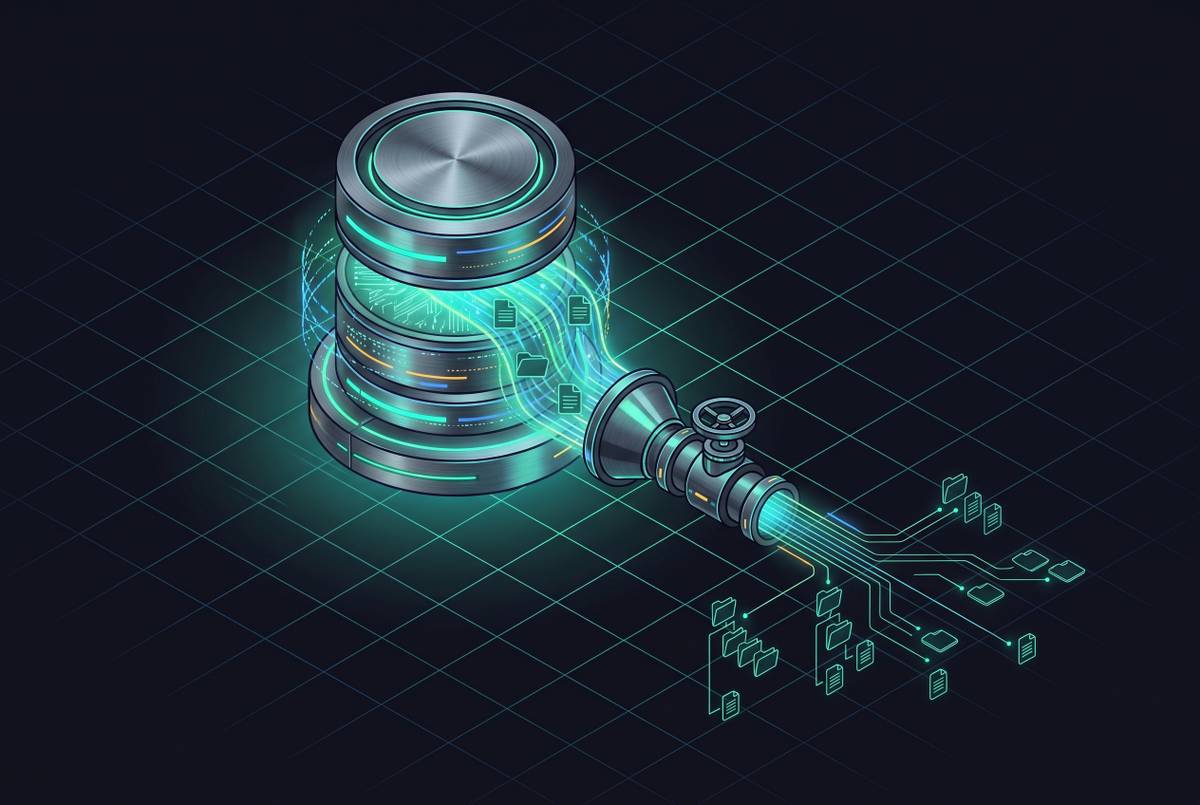
NVMe Caching Layers and S3 Read Latency
NVMe caching hides S3's latency without giving up its durability.
Storage Letter Editors
EBS offers lower latency; EFS trades speed for shared multi-instance access.
Each stage of the S3 cold-start chain needs its own fix.
Cold starts are really three separate S3 bottlenecks, and each needs its own fix.
EBS gp3 decouples IOPS from capacity; GCP's Persistent Disk ties them together.
EBS suits single-node workloads while EFS enables multi-node ML training with shared state.
Five separate meters drive S3 egress, and the cheapest fixes come first.
NVMe caches deliver 10x faster IOPS and lower latency than SATA for S3 workloads that need it.
Shared NVMe caches between S3 and GPUs slash I/O latency by orders of magnitude.
Faster checkpointing patterns preserve GPU utilization when distributed training clusters fail.
Four tools mount S3 as a filesystem, each with different tradeoffs on speed and POSIX compatibility.
Versioning creates hidden storage costs that compound silently until the bill arrives.